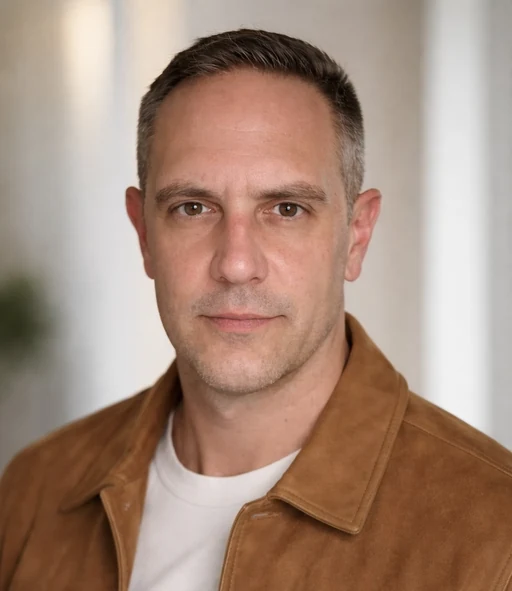
Good Morning, Voqio: Making the Work Easier to See
A morning note from founder Chris Miles on the past few days of Voqio work: clearer first moments, visible Roundtable progress, traceable outcomes, and Project Memory that remains earned by human approval.
Good morning, Voqio friends.
The past few days have been about a simple question: when someone brings a real problem to a room full of AIs, can they understand what is happening well enough to remain in charge?
That question has shaped the work across Voqio. Not just what the models say, but how a person begins, how they follow the conversation, how they handle uncertainty, and what—if anything—deserves to carry forward.
A clearer first step
We spent time making the first Roundtable feel less like setup and more like progress. A new visitor can begin with a useful starter prompt, understand what the models will do, and see the first visible perspective without having to build an account or configure a room first.
That matters to me because Voqio is not trying to hide four models behind a single polished answer. The value is in seeing the different approaches unfold. One model may frame the decision. Another may challenge its assumptions. Another may spot missing evidence. The person using Voqio gets to see that movement instead of being asked to trust a black box.
Prompt Lab is becoming a better part of that same path. When a refined prompt is ready, it can move into a Roundtable as a reviewed handoff—not a silent action. The prompt, objective, constraints, and advisory first-speaker recommendation are visible and editable. No model is started, no session is spent, and no memory is written until the person chooses to continue.
Better ways to read a conversation
We also worked on what happens after a Roundtable ends.
The transcript remains the primary record. But a person can now choose to map the outcome: where perspectives overlap, where they differ, what questions remain, and which named model turns support those signals. It is navigation, not verdict. It does not turn agreement into truth or replace a human decision with an AI summary.
I care about that distinction. Productive disagreement is not a flaw in the experience. Often it is the most valuable thing the room has produced. If four models agree, we should be able to see why. If they do not, we should be able to inspect the tension instead of smoothing it away.
We made the active Roundtable clearer, too. Each provider now has a more honest visible status: queued, connecting, complete, failed, or recovered. Where a provider returns a complete response rather than a stream, Voqio says so plainly. Completed work stays visible if another provider has trouble. A retry is never hidden, and a BYOK retry explains that it can create normal provider usage while Voqio credits are not involved.
Reliability is part of respect. A useful tool should not pretend that a connection failure is mysterious, nor should it quietly rerun work, spend another session, or make a person guess what was saved.
Memory that has to be earned
The other important step has been strengthening Project Memory as a human-controlled workspace.
After a signed-in Roundtable, a person can deliberately create a Project Memory proposal from an outcome or their own decision. The proposal includes the supporting model and round references, a destination workspace, an editable title and category, and an optional review date. It is still only a proposal.
Nothing becomes approved Project Memory because a model thought it sounded important. The person reviews it in the workspace, sees the evidence, edits it if needed, and separately decides whether to approve it. Guests do not silently promote their conversations. Future tools do not inherit memory unless the person deliberately imports approved context.
That may sound restrained. It is meant to be. Memory is powerful precisely because it can shape later work. It should be earned, attributable, and easy to question.
What we are trying to protect
These are not the loudest changes in the world. They are the kinds of changes that make an independent product feel more trustworthy over time: a clearer handoff, a visible status, a source you can open, a choice that stays with the person.
Voqio is still in public beta. We are still learning from the ways real conversations become messy, useful, incomplete, and surprising. But the direction is steady: more perspective without less agency; more capability without less restraint.
Thank you for being here while we keep building it.
— Chris Miles, Founder of Voqio